
Tello Mobile caught my attention when Perplexity AI suggested it as a way to slash my monthly phone bill — and it delivered. I was on a big‑name network, paying around forty‑five dollars a month with taxes and fees included, and barely scratching 200MB of data thanks to fiber WiFi and WiFi calling at home. Something had to give.
Quick update: After my first full month on Tello Mobile, my actual bill came to $10.75 total — plan, taxes, and fees included. That’s down from about $45 a month with my old major carrier, for the same basic coverage and my real‑world usage.
Tello Mobile isn’t a fly‑by‑night discount outfit. It launched in the US market in 2016, is owned by established telecom company KeepCalling, and holds an A+ rating with the Better Business Bureau.
On the technical side, Tello runs as an MVNO on T‑Mobile’s nationwide network, which means you’re getting the same underlying coverage and 4G/5G footprint that T‑Mobile customers see, just without the big‑carrier price tag. The savings are real, and so is the stress of switching — especially around that short‑lived transfer PIN — so the rest of this post walks through exactly how the changeover went for me.
What Is Tello Mobile and How Does It Work?
Tello Mobile is a Mobile Virtual Network Operator, which means it doesn’t own its own towers. Instead, it rents access wholesale from a major carrier — in this case, T‑Mobile — and then sells service under its own name. Same physical network, different billing relationship.
Because Tello isn’t paying for retail stores, phone subsidies, or national ad campaigns, it can sell plans that look almost suspiciously low compared with the big three. The underlying network is still T‑Mobile, so if you already get decent T‑Mobile coverage in your area, Tello can usually match that signal strength. The main differences are price, support channel, and how hands‑on you’re willing to be.
T‑Mobile actually wins here too, which surprised me at first. Their network costs are mostly fixed, so selling wholesale access to MVNOs like Tello lets them monetize extra capacity — and from T‑Mobile’s perspective, getting some revenue through Tello beats losing a price‑sensitive customer to AT&T or Verizon entirely.
The $10 Plan That Actually Fits My Usage
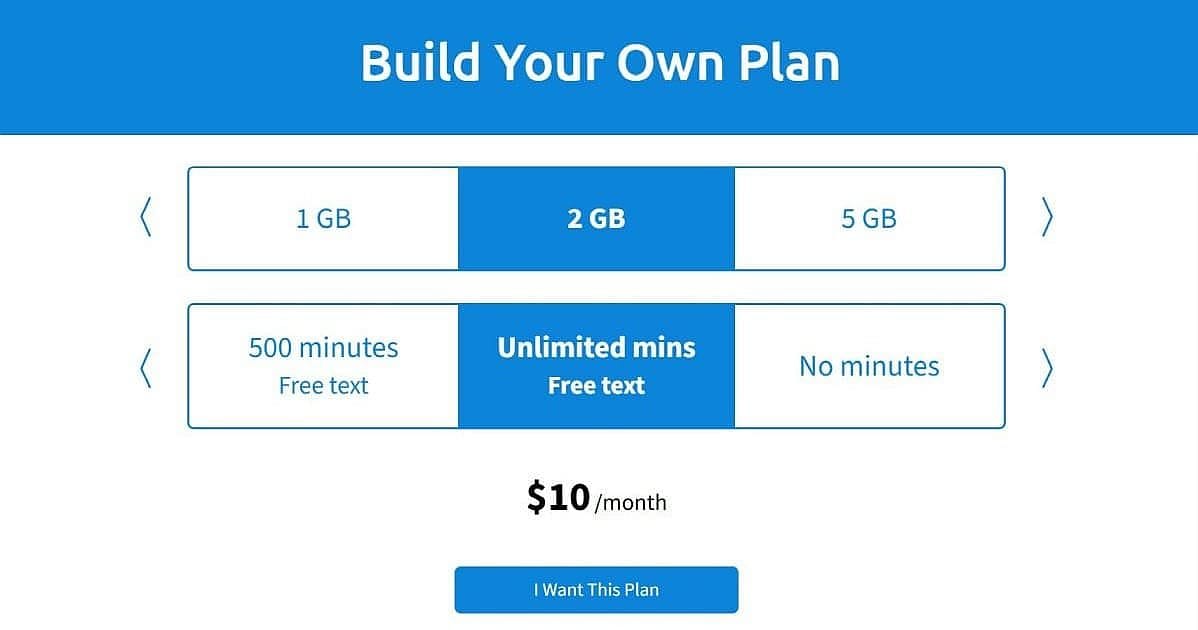
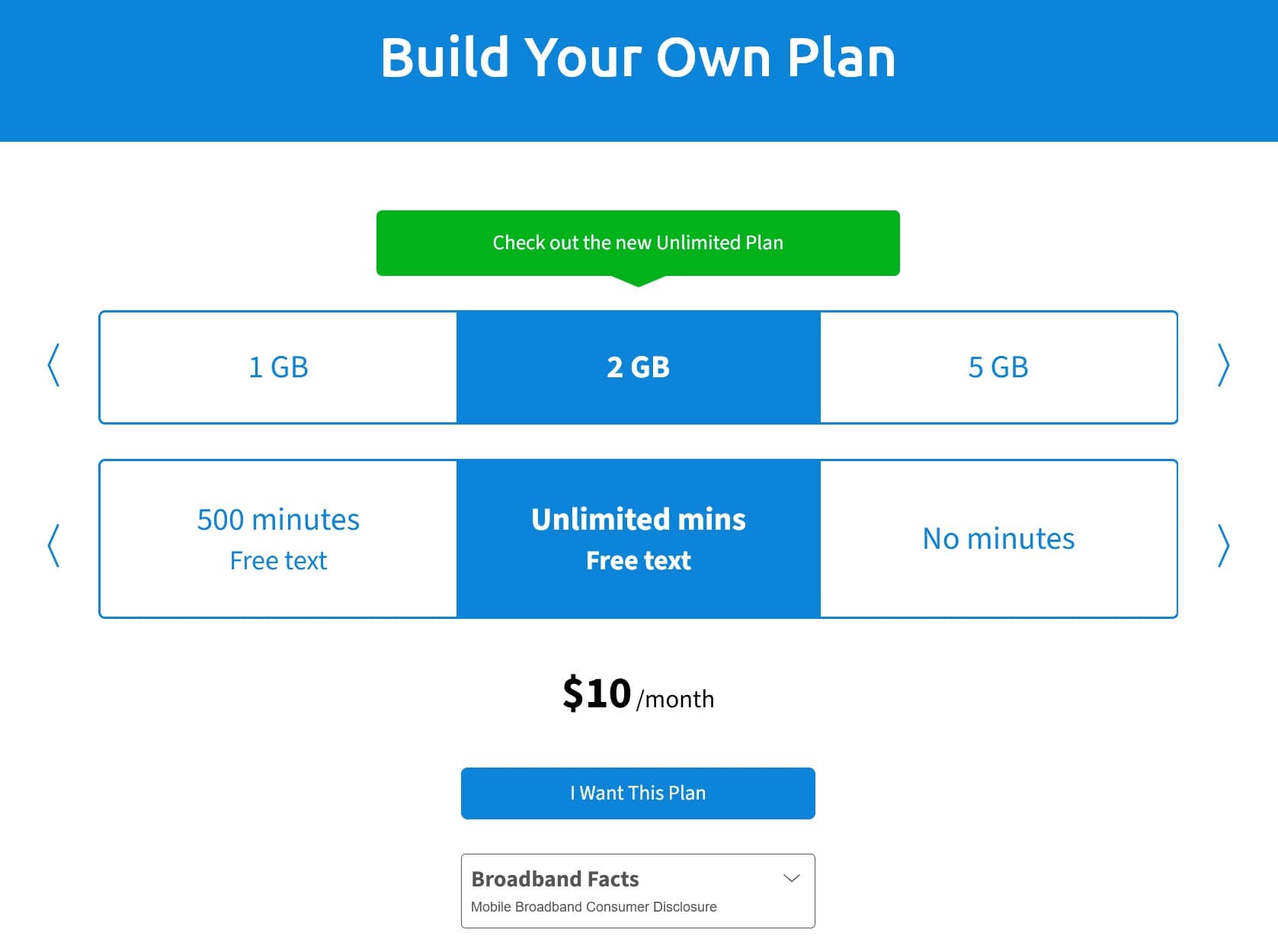
My Tello Mobile plan is simple: unlimited talk, unlimited text, and 2GB of data for ten dollars a month. There’s even a 1GB version for nine dollars, but I wanted a little extra cushion for days when I’m away from home WiFi. For someone who normally lives under a quarter‑gig of usage, either option is overkill in the best possible way.
Taxes and fees sit on top of that base price and will vary by location. In my case, early tests put the final bill somewhere in the low‑teens — roughly one to a few dollars over the advertised ten. I’ll only know the exact number after a full billing cycle, so I treat anything I’ve seen so far as an estimate, not a promise. Either way, it’s nowhere near the forty‑five I was handing over each month before.
The real win comes from the way I actually use the phone. At home I’m on fiber with WiFi calling turned on, so almost all of my browsing, updates, and calls ride over WiFi instead of cellular data. Those 2GB are there for errands, appointments, and the occasional “out in the world” day, not for streaming video marathons. Tello Mobile fits that pattern instead of charging me for capacity I never touch.
The Transfer PIN Surprise
This is where the story gets interesting. Porting your number to Tello Mobile requires a transfer PIN from your current provider — and getting that PIN is where the friction lives. My provider’s website wouldn’t let me generate it online, and the app had the option buried somewhere I couldn’t locate, if it was there at all.
So I called. After being bounced around, I ended up with a foreign‑language speaker who was hard to understand and who finally gave me a PIN with a four‑day expiration window. Four days. That’s not much runway.
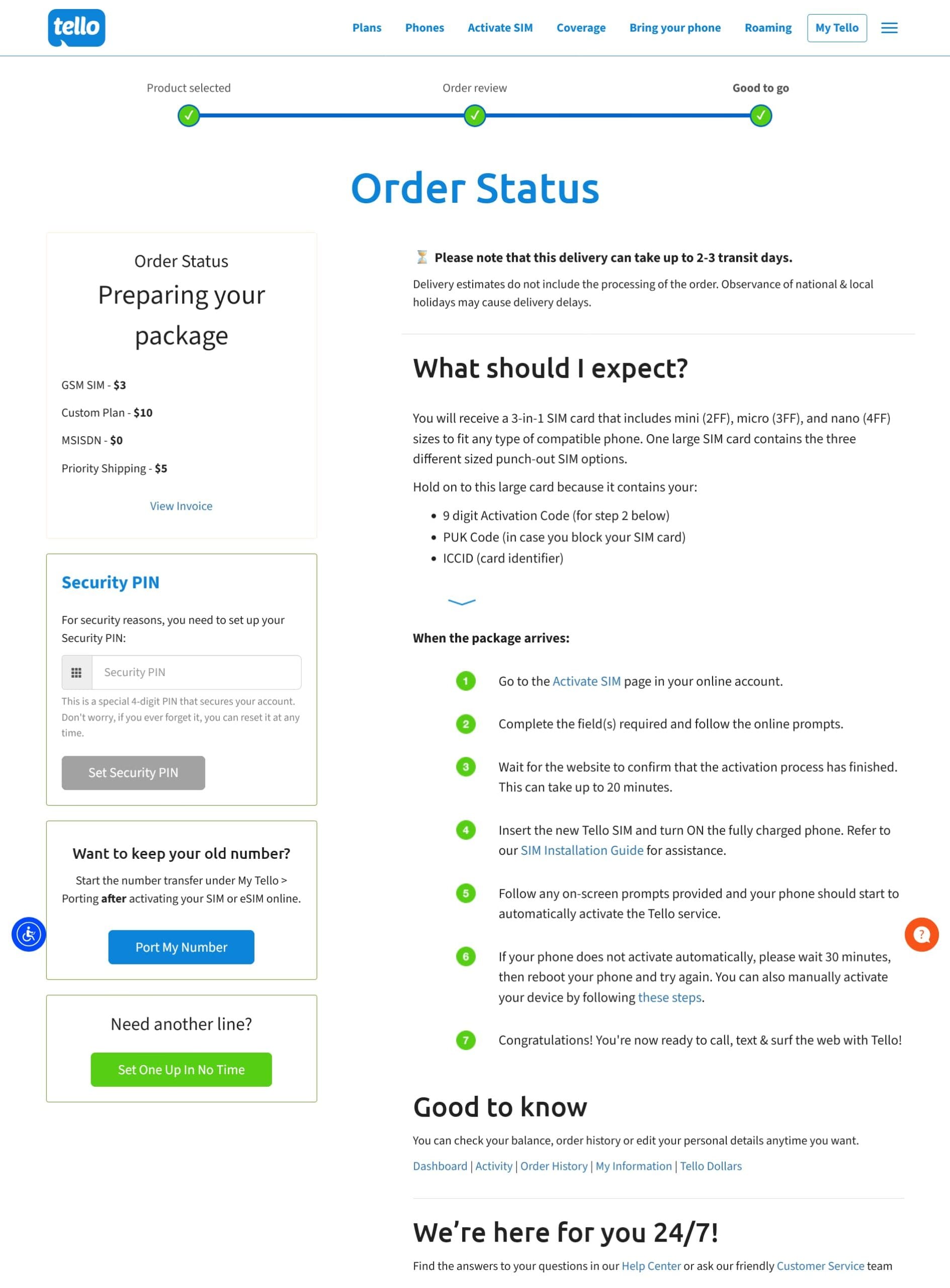
Meanwhile, Tello ships a physical SIM card. I’d taken Perplexity’s advice and used five‑dollar Priority Mail instead of fifteen‑dollar FedEx overnight, and USPS estimated delivery on day four — the same day the PIN expired. The stress was real. The SIM showed up on day three, so it all worked out, but it felt more like a near miss than a smooth, modern process.
Why I’d Order the SIM Before Chasing the PIN
Looking back, the tightest part of the whole adventure was the overlap between that expiring PIN and the arrival of the Tello Mobile SIM. I had chosen Priority Mail as a compromise — faster than free, cheaper than overnight — and the first delivery estimate landed dangerously close to the PIN’s last valid day. It worked out, but it didn’t feel clever while I was refreshing tracking and watching the calendar.
If I were doing it again, I’d flip the order: get the SIM on the way first, then request the transfer PIN when the tracking page says the envelope is almost in town. That way the PIN’s short life starts when you’re actually ready to use it. It’s not the only way to do it, and someone more patient with phone support might prefer to secure the PIN up front, but treating the SIM as step one takes some of the artificial pressure out of the process.
A Cleaner Way to Switch to Tello Mobile
Here’s the sequence that makes the move to Tello Mobile feel more like a project and less like a cliff dive:
- Start by ordering your Tello Mobile SIM and choosing the plan that actually matches your usage.
- Watch the shipping updates; once the package is close, call your current carrier or use its app to request the transfer PIN.
- When the SIM is in your hand and the PIN is fresh, log into your Tello account, activate the SIM, and start the number‑transfer form.
- Only after the port request is submitted and the old service actually stops should you shut the phone down, swap SIMs, and boot back up on Tello.
The reality is that every carrier has quietly moved to these short‑lived transfer PINs in the name of security. You can’t completely avoid that friction, but you can control when you trigger it. Tello Mobile’s side of the process is straightforward; the headache usually sits with the provider you’re leaving.
Why Tello Mobile Works for My Kind of Usage
For me, the decision came down to matching the bill to the lifestyle. I’m at home a lot, sitting on a solid WiFi connection, and my phone use is light on calls and mobile data. A big‑carrier plan built around high‑capacity data simply didn’t make sense, no matter how normal it looked on a billboard.
Tello Mobile gave me the same underlying tower network, a plan that fits the way I actually live, and a monthly bill that frees up about thirty dollars every cycle. That’s money that now goes toward more useful things than unused gigabytes — in my case, catching up on dental work instead of funding someone’s ad campaign.
For light users, WiFi‑first households, and anyone willing to click through a setup screen or two, Tello Mobile is worth a serious look. The key is going in with eyes open about that transfer PIN window, timing the SIM and the PIN so they meet in the middle, and remembering that you’re not giving up the network — just the markup.
Why I Didn’t Pick US Mobile (For Now)
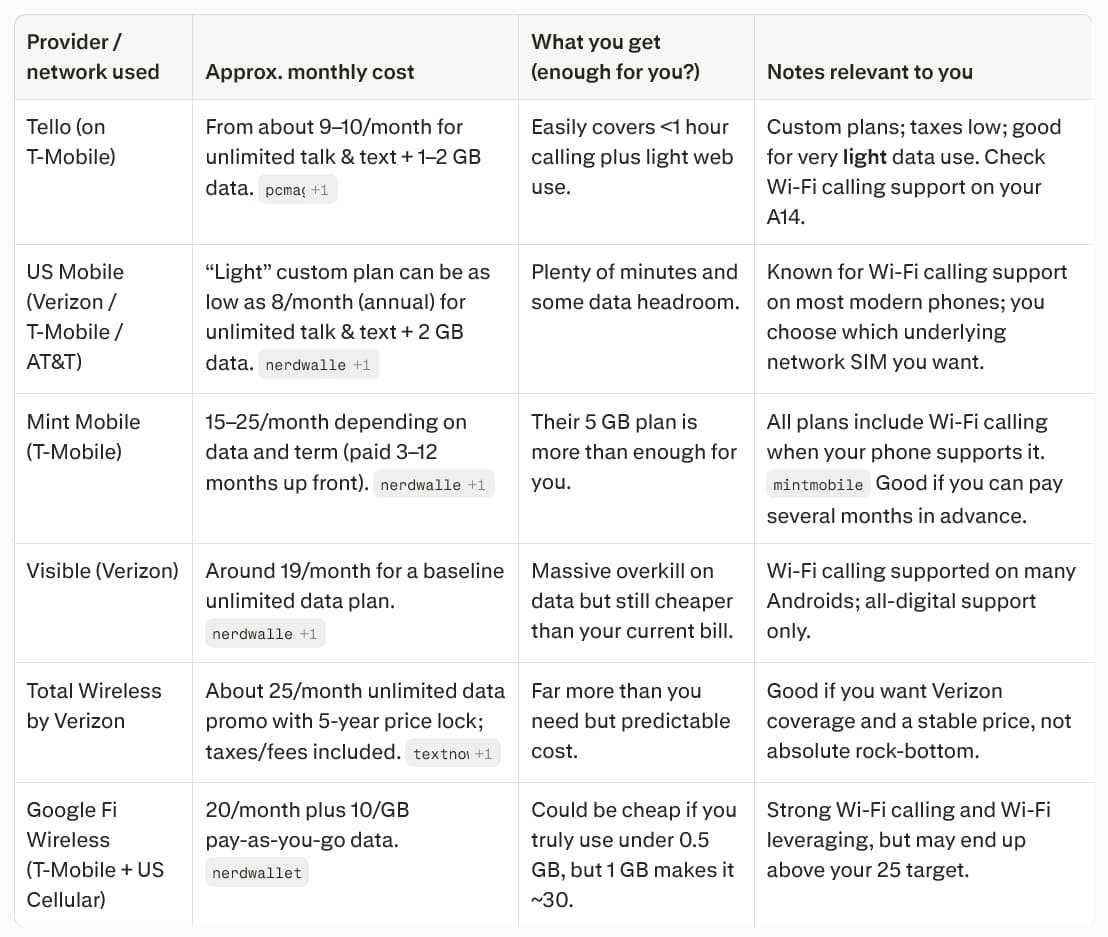
US Mobile has a light plan that looks a lot like my Tello setup: unlimited talk and text with 2GB of data for about ten dollars a month, and it can even drop to eight dollars a month if you prepay a full year at ninety‑six dollars. It also lets you choose between the Verizon, AT&T, or T‑Mobile networks, which is a nice bit of flexibility if one carrier is stronger where you live.
But that attractive “eight‑dollar” headline depends on paying the whole year in advance, and right now my wallet is busy with recent extractions and immediate dentures. Month‑to‑month, the closest US Mobile plan to what I’m using runs around twelve dollars before taxes and fees, which would actually cost more than my ten‑dollar Tello plan with its low add‑ons. So for this season of life, Tello gives me the same basic idea — light data on a modern network — without asking me to front a year’s worth of service in one gulp.
The Bottom Line
Tello Mobile delivered exactly what Perplexity promised — a legitimate, low‑drama way to cut a phone bill down to size. For light users, Wi‑Fi‑heavy households, or anyone who looks at their monthly bill and wonders what they’re actually paying for, it’s worth a serious look.
The switching process has one real gotcha: that short transfer‑PIN expiration window. Get the SIM on the way first, time the call to your old carrier so the PIN arrives when the envelope is close, and the rest is straightforward.
Thirty dollars a month adds up to three hundred sixty dollars a year — on the same basic T‑Mobile tower network I was using before. That’s the Tello Mobile story for me, and for now, it’s a story I’m happy to keep living with.
Other posts: