
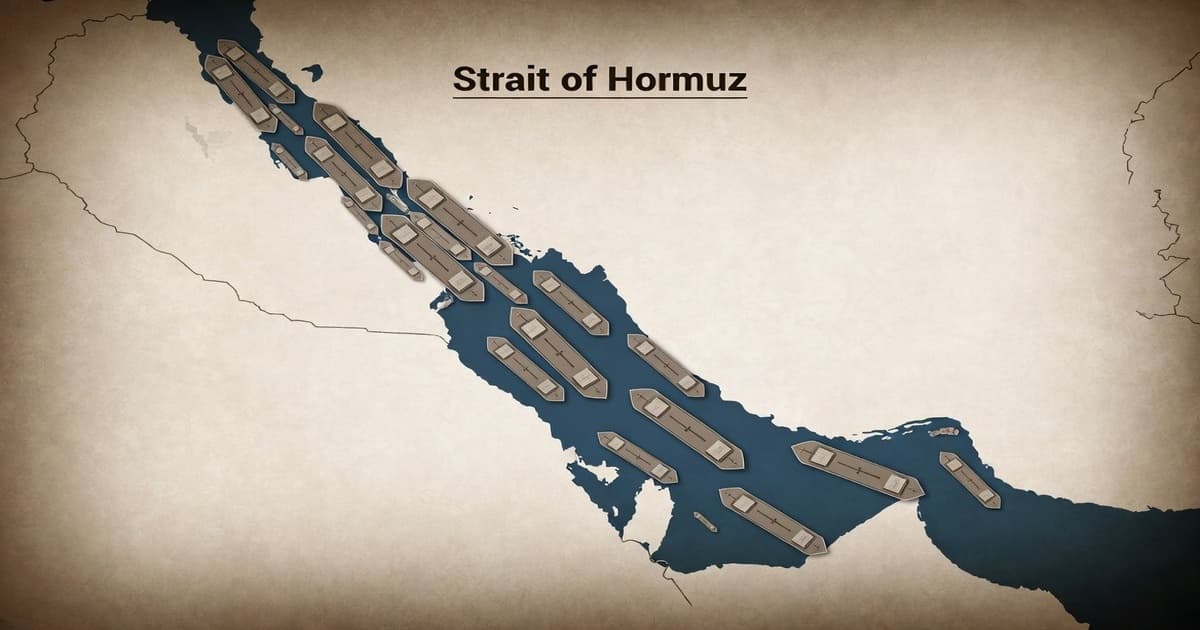
Trump didn’t start a real war with Iran, he started Half-War and then pretended the pause button was victory.
For years, one rogue regime has been breaking into the world’s house, raping whoever it wants, and daring anyone to stop it. Iran used the Houthis in the Red Sea as a test run for what it is now doing in the Strait of Hormuz, holding global trade hostage and getting paid for the privilege.
This is what a Half-War looks like in real time: threats dialed up to the edge of apocalypse, real strikes that do serious damage, and then a flimsy two‑week ceasefire that leaves the core problem untouched.
Trump went from promising to “obliterate” Iran’s power plants and hinting that a “whole civilization” could die if Hormuz was not fully opened, to accepting a deal brokered by Pakistan that gives everyone two weeks to pretend this is handled. Ten minutes after his own deadline, he pulled back and wrapped it in spin about a “great deal,” while Iran kept the tollbooth at the Strait and the leverage that comes with it.
Iran closes or chokes Hormuz, the world panics, oil jumps, Trump shouts, and then we land in a pause where Iran still sits on the chokepoint and still sells oil into the panic it helped create.
The price of a Half-War for Trump and the Gulf
The Half‑War problem is not just Trump’s wobble, it is also years of Gulf freeloading and wishful thinking about Iran.
For a long time, Gulf capitals knew Iran was stockpiling cheap drones and missiles and bragging that the region would burn if anyone really challenged it. When the swarms finally came, we discovered that Gulf air defenses were not built for mass, low‑end drone and missile attacks, their interceptors ran low fast, and their jammers were not ready for the volume.
They trusted the U.S. security umbrella, did not build serious local production or deep magazines, and then acted shocked that Washington did not provide minute‑by‑minute hand‑holding on every strike. They talked about pipelines and export workarounds for years, but still depend heavily on Hormuz instead of treating it as a vulnerability to escape.
Trump charged in on Iran with allies who were under‑armed, over‑exposed, and structurally dependent on the very chokepoint Iran always said it would weaponize. That is not a coalition prepared for a decisive war, it is a coalition wired for another Half-War.
Iran cashes in while everyone else pays
Here is the punchline that should make people furious. Even under bombardment, Iran is still exporting millions of barrels a day, mainly to China, through a mix of shadow tankers, discounts, and now de facto tolls on traffic through Hormuz.
It is making more per barrel because war risk has jacked up prices, and it has turned the world’s most important oil chokepoint into a paid lane where it sets conditions and posture. The war was supposed to punish Iran for using oil as a weapon, but the way this Half-War is being run has actually validated the bet that oil plus cheap drones is a winning strategy.
Worse, U.S. intelligence publicly says roughly half of Iran’s missile launchers are still intact and thousands of drones are still available. After weeks of strikes, Iran can still keep firing and still keep charging the world rent on the Strait it is threatening.
We took the political heat, the economic hit, and the military risks of escalation. Iran walked away with leverage, cash, and a story it can sell from Tehran to Beirut that “resistance” forced the American president to blink.
You don’t manage a serial rapist with a Half-War
If someone keeps breaking into your house and raping your family, you do not negotiate a two‑week truce where he promises to use only the back door. You lay traps, you harden the doors and windows, and you hit him hard enough that he cannot come back.
In the Gulf, that means:
Traps: layered air and missile defense, early warning, and counter‑drone systems that make every Iranian launch expensive and largely useless.
Defenses: hardened ports, bases, power, and export infrastructure, plus the pipelines and routes that make Hormuz optional instead of a single point of failure.
Attacks: sustained strikes on Iran’s drone and missile production industrial base, IRGC logistics, and the financial and maritime plumbing that keep oil money flowing into the war machine.
Not one of those. All of them, at once.
That is what a serious war‑ending strategy looks like. A Half-War does the opposite, it teaches Tehran that hostage‑taking pays if you can ride out the first month.
Paying once vs. paying forever
People are already paying more at the pump and in grocery aisles because of this crisis, and they know it. The fantasy that the choice is between “cheap gas and peace” or “expensive gas and war” died the moment Iran decided it could mine trade lanes and send drones wherever it likes.
The real choice is between swallowing a controlled period of higher prices and real risk while breaking Iran’s ability to hold the world hostage, or accepting permanent blackmail and rolling crises that end in a bigger war later. Trump’s approach so far gives us the worst: we get the pain of confrontation, the spikes in oil and nerves, and at the end of it an Iran that feels vindicated and richer.
If you believe that once you start something like this you finish it, then this is not a model of toughness, it is a warning label. A Half-War with Iran does not stop the next catastrophe, it schedules it.
Similar posts:
View from the Right: